
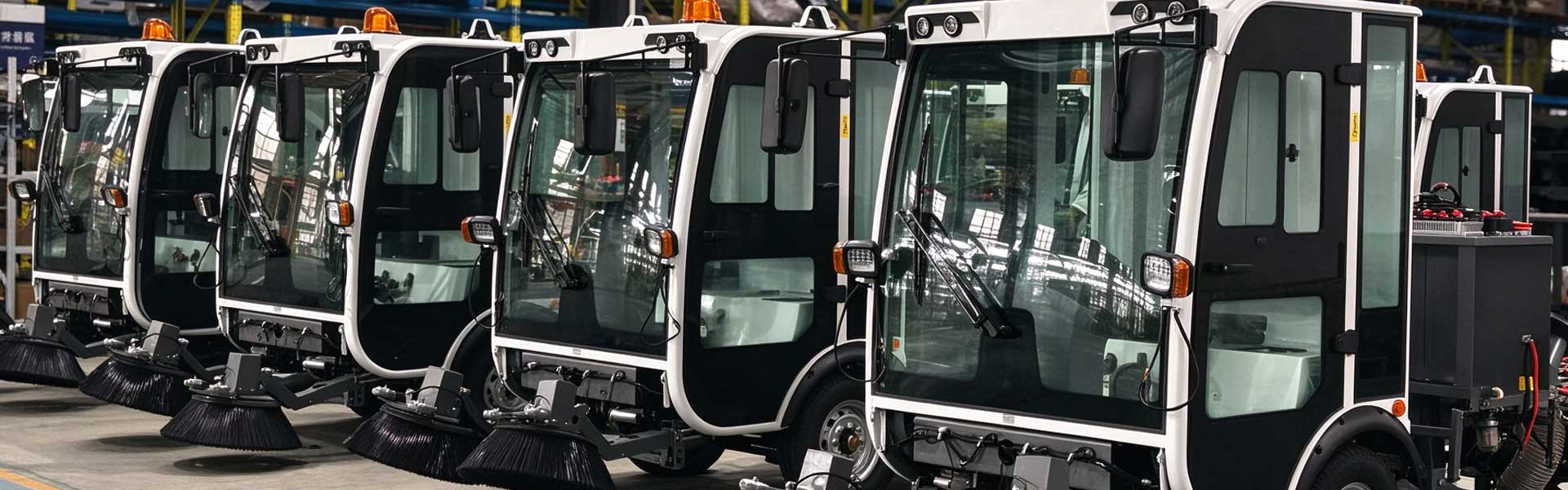
Car dealerships and automotive service centers need clean floors to maintain an organized working environment and present a professional image. Showrooms, vehicle delivery areas, parking facilities, workshops, and service bays all collect different types of dirt and debris.
For automotive groups, workshop operators, cleaning contractors, and equipment distributors, a suitable floor sweeper can help simplify routine cleaning and reduce the labor required to maintain larger floor areas.
The best choice depends on where the machine will operate, what type of debris it needs to collect, and how frequently cleaning is required.
1. Match the Sweeper to Your Facility
A dealership may contain polished showroom floors, customer parking areas, and vehicle preparation zones. A service center may also have concrete floors exposed to dust, packaging debris, dry leaves, and small particles brought in by vehicles.
A floor sweeper for car dealership applications should be selected according to these different cleaning conditions.
For indoor showrooms, buyers may prioritize compact dimensions, maneuverability, and dust collection. Larger outdoor parking areas may benefit from wider sweeping paths and greater debris capacity.
Automotive workshops require additional consideration because loose hardware, metal fragments, oily residues, and wet contaminants may not be suitable for ordinary dry sweeping equipment.
A floor sweeper is primarily intended for collecting dry debris. Where oil, grease, or liquid spills are present, the facility may need a separate cleaning method or specialized equipment.
2. Choose the Right Machine Size
The area to be cleaned is one of the most important purchasing factors.
Small showrooms and narrow service passages may be easier to maintain with compact walk-behind sweepers. Larger dealerships, vehicle storage areas, and extensive service facilities may benefit from ride-on machines that allow operators to cover more ground comfortably.
When comparing machines, consider:
-
Sweeping width: Check the main brush and side-brush configuration.
-
Cleaning capacity: Review the manufacturer's rated coverage and operating assumptions.
-
Hopper capacity: Determine how much debris can be collected before emptying.
-
Maneuverability: Check turning space, machine length, and access through doorways.
-
Dust control: Evaluate the filtration system for indoor use.
-
Operating time: Match battery capacity or other power arrangements to the cleaning schedule.
-
Noise level: Consider whether cleaning will take place near customers or during business hours.
The largest model is not automatically the most suitable. A machine that fits the facility layout and can be operated efficiently may offer better practical value.
3. Keep Showrooms and Customer Areas Presentable
Vehicle showrooms and delivery areas are customer-facing spaces where visible dust and debris can affect the overall appearance of the facility.
Routine sweeping can help collect loose dirt, dust, and other dry debris before it accumulates. For facilities with large display areas, mechanized sweeping may reduce repetitive manual work and help cleaning teams maintain a more consistent schedule.
However, floor surface compatibility is important. Buyers should confirm that the brush type and machine configuration are appropriate for the flooring material and finish.
For sensitive surfaces, request guidance on brush selection and conduct an appropriate trial before introducing the equipment into regular service.
4. Consider Service Center Cleaning Requirements
Automotive service centers often need to clean workshop floors between jobs or outside operating hours. Efficient removal of loose debris can help maintain organized work areas and reduce the accumulation of dry dirt.
Before purchasing, identify whether the facility primarily deals with dust and packaging debris or also produces metal fragments, liquids, and oily contamination.
A standard sweeper should not be assumed to handle every type of workshop waste. The machine must be suitable for the materials being collected, and any potentially hazardous debris should be managed according to the site's safety procedures.
Buyers should also consider brush replacement, filter cleaning, hopper emptying, and access to routine maintenance components.
5. Source Commercial Sweepers for Automotive Businesses
For cleaning equipment dealers, a commercial floor sweeper for sale can serve multiple customer groups, including car dealerships, repair workshops, vehicle rental centers, automotive parts warehouses, and fleet maintenance facilities.
When comparing suppliers, request specifications covering cleaning width, hopper capacity, filtration, operating time, machine dimensions, and recommended applications.
For distributors purchasing equipment internationally, confirm warranty terms, spare parts supply, packaging, lead times, and export documentation.
A supplier offering several machine sizes can help dealers recommend appropriate equipment for both compact indoor facilities and larger outdoor areas.
6. Compare Total Ownership Costs
The initial purchase price is only one factor in choosing a floor sweeper. Buyers should also consider battery replacement, brush and filter costs, maintenance requirements, operator training, and the expected frequency of use.
For multiple locations, standardized equipment may simplify staff training and spare parts management. However, each site should still be assessed individually because a compact showroom and a large vehicle storage yard may require different machines.
For dealers and wholesalers, industrial floor sweeper wholesale purchasing may support competitive quotations and a more consistent product range. Before placing bulk orders, confirm model availability, specifications, order quantities, and delivery schedules.
7. Request a Quotation for Your Facility
To receive a suitable recommendation, provide the supplier with the approximate cleaning area, floor surface, debris type, indoor or outdoor application, daily operating time, and preferred machine size.
Also identify any access restrictions, noise concerns, or special dust-control requirements.
For car dealerships and service centers, the right floor sweeper can help maintain cleaner working areas, support a professional customer environment, and reduce repetitive sweeping work.
Contact a commercial cleaning equipment supplier to compare available models, request pricing, and identify a suitable solution for your automotive facility or distribution business.