
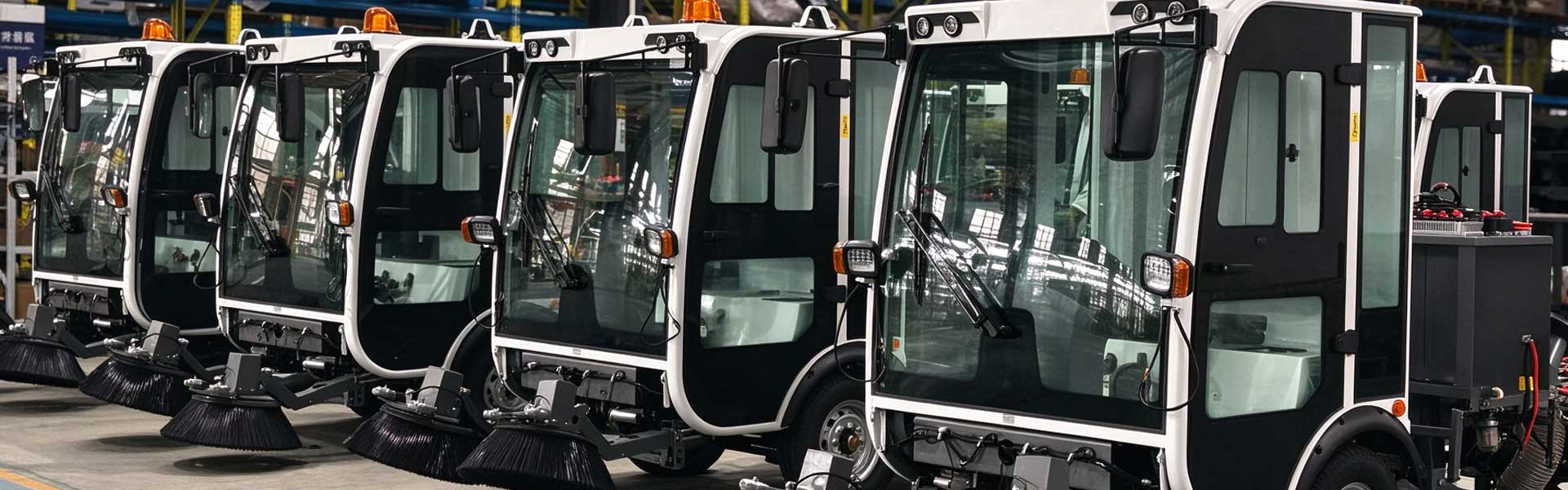
Food distribution warehouses handle packaged goods, pallets, cartons, and frequent vehicle movements. As deliveries arrive and orders leave the facility, dust, packaging fragments, and other dry debris can accumulate along storage aisles, loading areas, and dispatch routes.
A suitable floor sweeper can help warehouse teams maintain cleaner floors and support routine housekeeping. For food distributors, logistics companies, warehouse operators, and equipment dealers, the right machine should match the cleaning area, floor conditions, and hygiene requirements of the facility.
Why Invest in a Warehouse Floor Sweeper?
Food distribution facilities often operate on tight delivery schedules. Cleaning teams must maintain aisles and loading areas without creating unnecessary disruption to warehouse activities.
Commercial floor sweepers can support routine cleaning by collecting suitable dry debris from compatible hard floors. Typical areas include:
-
Pallet storage and picking aisles.
-
Receiving and dispatch zones.
-
Loading docks and staging areas.
-
Packaging storage areas.
-
Large warehouse corridors and circulation routes.
The equipment helps remove loose debris, but it does not replace appropriate sanitation procedures, spill management, or specialized cleaning and disinfection processes.
How to Choose the Right Model
Before comparing equipment, review the warehouse layout and identify the areas that need the most frequent attention.
Warehouse size: A large distribution center may require a ride-on sweeper with a wider working path and larger collection hopper. Smaller facilities may be adequately served by a walk-behind model.
Floor surface: Confirm compatibility with the warehouse's concrete, coated, or other hard flooring. Floor condition can influence cleaning performance and machine suitability.
Aisle width: Narrow storage aisles require careful attention to machine width, turning radius, and clearance around racks and pallets.
Debris type: Typical dry debris may include dust, paper fragments, and packaging material. If the facility regularly encounters liquids, sticky residues, or food spills, determine whether separate cleaning equipment is required.
Dust management: Fine dust can be an important concern in food-related environments. Ask the supplier about filtration performance, dust containment, and maintenance requirements.
Operating schedule: Warehouses running extended shifts should consider battery runtime, charging arrangements, maintenance intervals, and the time available for cleaning.
These requirements provide a practical basis for selecting a model that fits the facility.
Walk-Behind or Ride-On Sweeper?
A walk-behind floor sweeper may be appropriate for smaller distribution warehouses, confined picking zones, and areas where frequent turns are necessary. Its compact design can be helpful where larger machines cannot maneuver easily.
For large distribution centers with extensive open aisles and long travel distances, a ride-on sweeper may provide a more efficient cleaning approach. Buyers should compare working width, hopper capacity, operating time, and machine dimensions to ensure the model fits the layout.
Some facilities may benefit from using a larger sweeper for open spaces and a compact machine for congested sections. The final choice should reflect the warehouse's actual cleaning routes rather than its total floor area alone.
Consider Hygiene and Food-Safety Requirements
Food distribution facilities may have specific housekeeping procedures, particularly in areas where food products are exposed or where contamination risks must be controlled.
Buyers should distinguish between general warehouse sweeping and cleaning required in sensitive product-handling areas. Confirm that the proposed equipment, filtration system, cleaning procedures, and maintenance arrangements meet the facility's applicable requirements.
For environments where wet cleaning or disinfection is necessary, a floor sweeper alone may not be sufficient. A floor scrubber or another appropriate cleaning system may be needed for separate tasks.
Buying Equipment from a Warehouse Sweeper Supplier
When contacting a warehouse floor sweeper supplier, provide the floor area, aisle dimensions, floor surface, debris type, and daily cleaning schedule. Photos or a simple layout plan can help the supplier assess maneuverability requirements.
Businesses searching for an industrial floor sweeper for warehouse applications should request the working width, hopper capacity, filtration details, battery specifications, machine dimensions, and maintenance information.
For buyers comparing the commercial floor sweeper price, consider the complete offer, including included accessories, warranty, spare parts, delivery, and after-sales support. Rated cleaning capacity should also be reviewed carefully because actual productivity depends on obstacles, turning, debris levels, and operating conditions.
For importers and distributors, confirm product documentation, export packaging, order quantities, lead times, and shipping arrangements. A clear quotation should identify the exact model and configuration being supplied.
Request a Quote for Your Distribution Warehouse
To find a suitable floor sweeper, share your warehouse size, aisle width, floor type, typical debris, and preferred walk-behind or ride-on configuration.
If you are sourcing equipment for multiple warehouses, specify the required quantity and whether the machines need to share the same configuration. These details help suppliers recommend practical sweeping equipment for food distribution and logistics operations while supporting efficient routine housekeeping.